A Series of Initiatives to Address Bullying in Nursing Education
The Three Pillars: Policy, Education, Partnerships
Policy
Using evidence to create guidelines to address bullying in nursing education
- Focus on Reporting Mechanisms so that students know where to go if they witness or experience bullying.
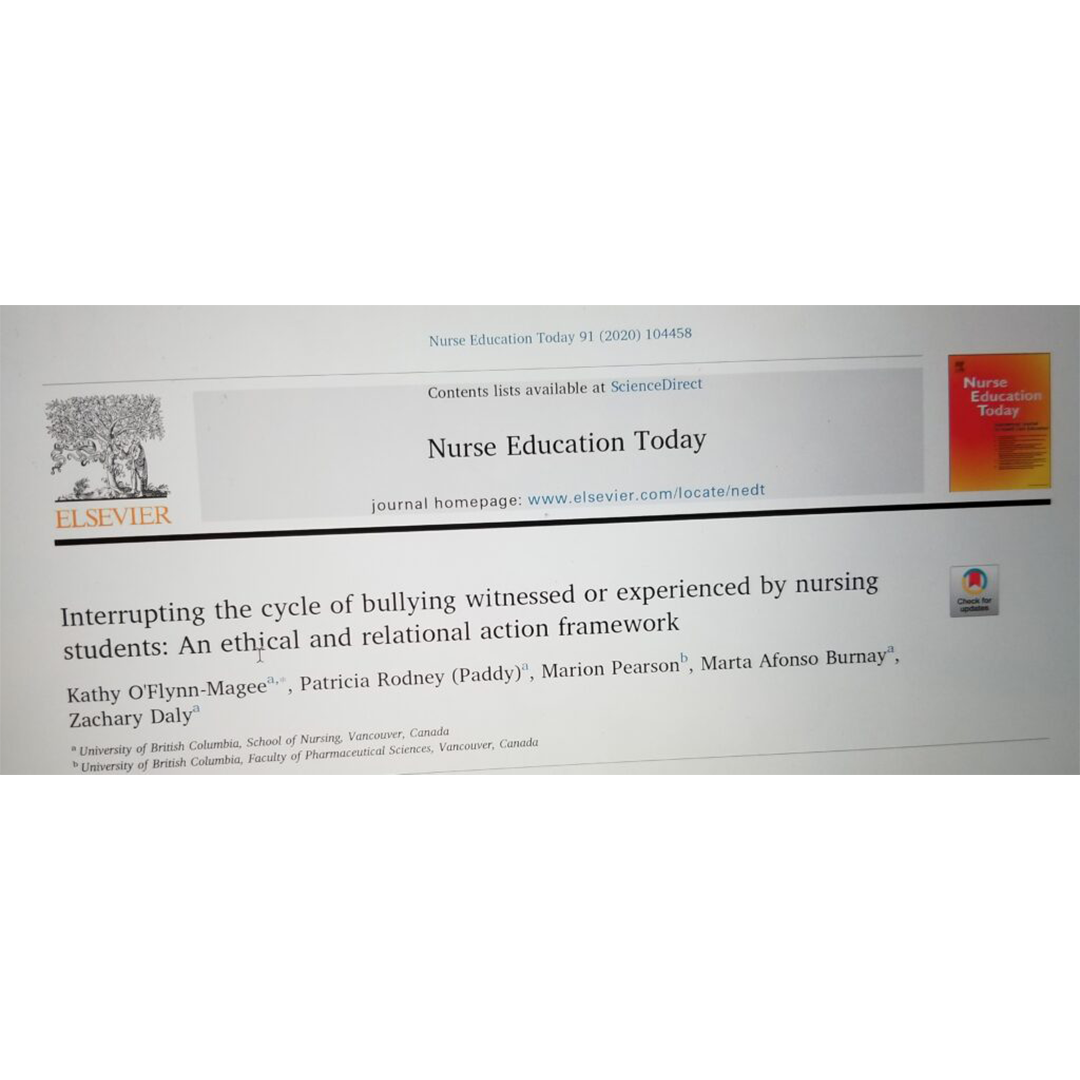
- Published paper: Interrupting the cycle of bullying witnessed or experienced by nursing students: An ethical and relational action framework
- Template for designing institutional mechanisms for reporting bullying
Education
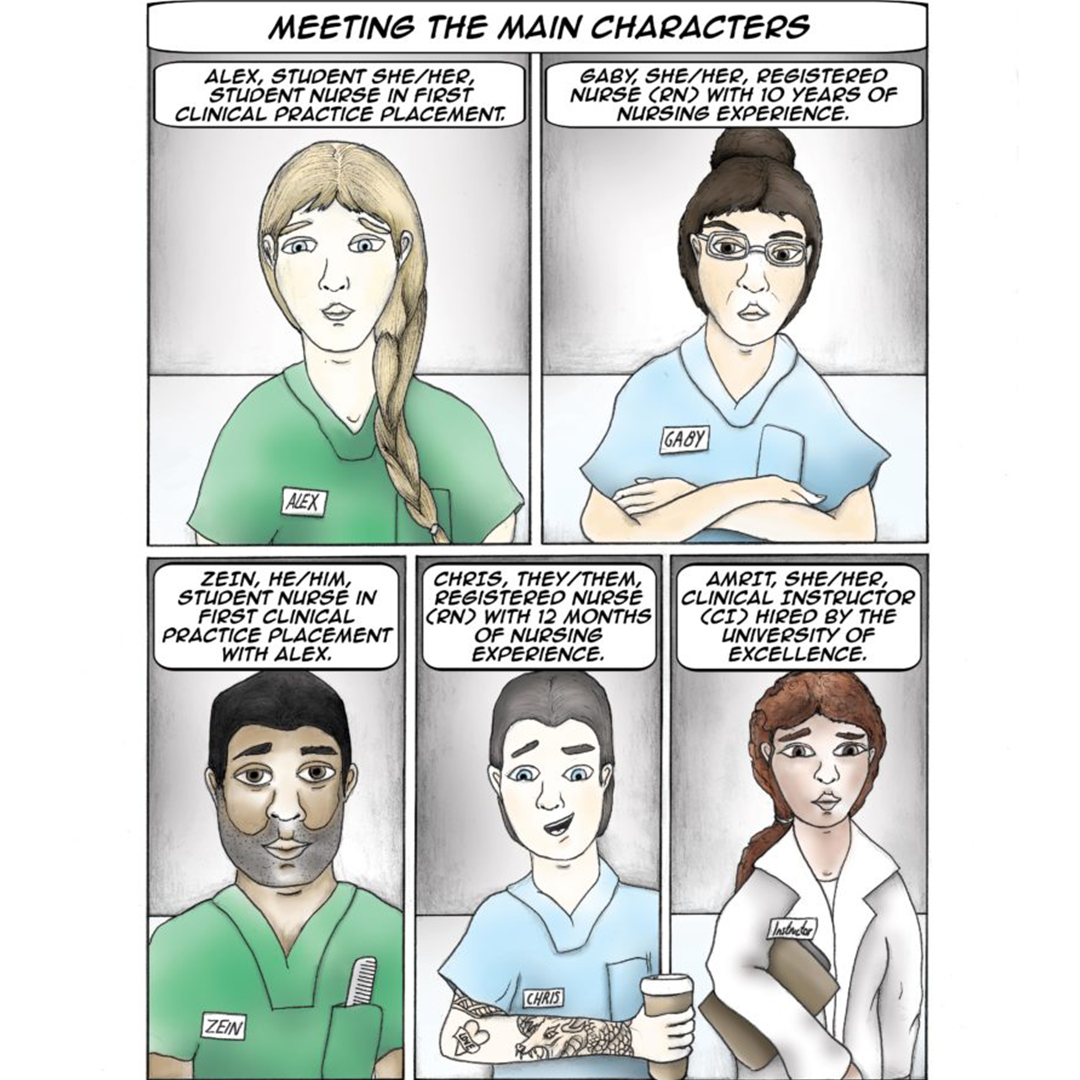
Using arts-based methods to address bullying in nursing education
- Workshops for students and workshops for teachers especially Clinical Instructors
- Cognitive Rehearsal
- Forum Theatre
- Graphic Novella
- ‘Choose your own Adventure’-style interactive video vignettes
- Train-the-Trainer video (in development)
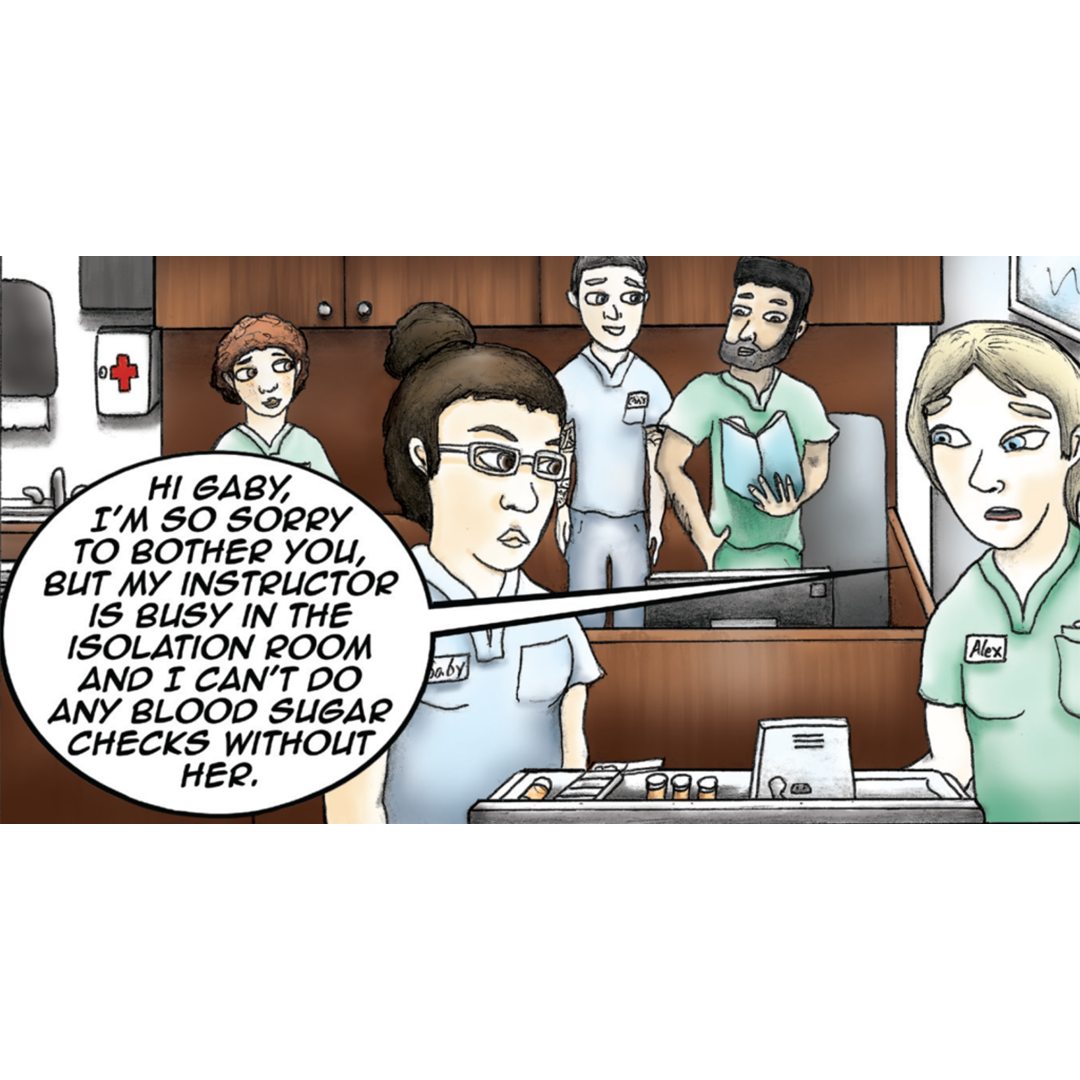
Clinical Practice
Partnerships
- To effectively address bullying in nursing, we need to understand that bullying occurs at both the interpersonal level and the systems level.
- Addressing bullying needs to occur at both levels. This requires collaboration and building of strong relationships between leaders in health care and leaders in education and leaders in politics.

The likelihood of nurses and nursing students witnessing or experiencing bullying during their careers ranges from 17% to over 90%.²⁻⁵;⁷⁻¹² Indeed, bullying is so prevalent that nurses are often characterized as ‘eating their young.’¹³⁻¹⁵
Nursing students may tolerate bullying as a ‘rite of passage’¹²⁻¹⁸ and may not report it because of fears of increased bullying, negative evaluations, or limited future professional opportunities.²,³,¹²,¹⁹,²⁰,²¹
Sometimes, students are unaware of school policies,²² unsure how to report bullying,³ respond to bullying by “doing nothing”,¹⁰ and/or believe that nothing would be done.⁹ “No nurse should accept or tolerate a culture where bullying, horizontal violence, or workplace incivility exist.”⁶